
Kidney cancer
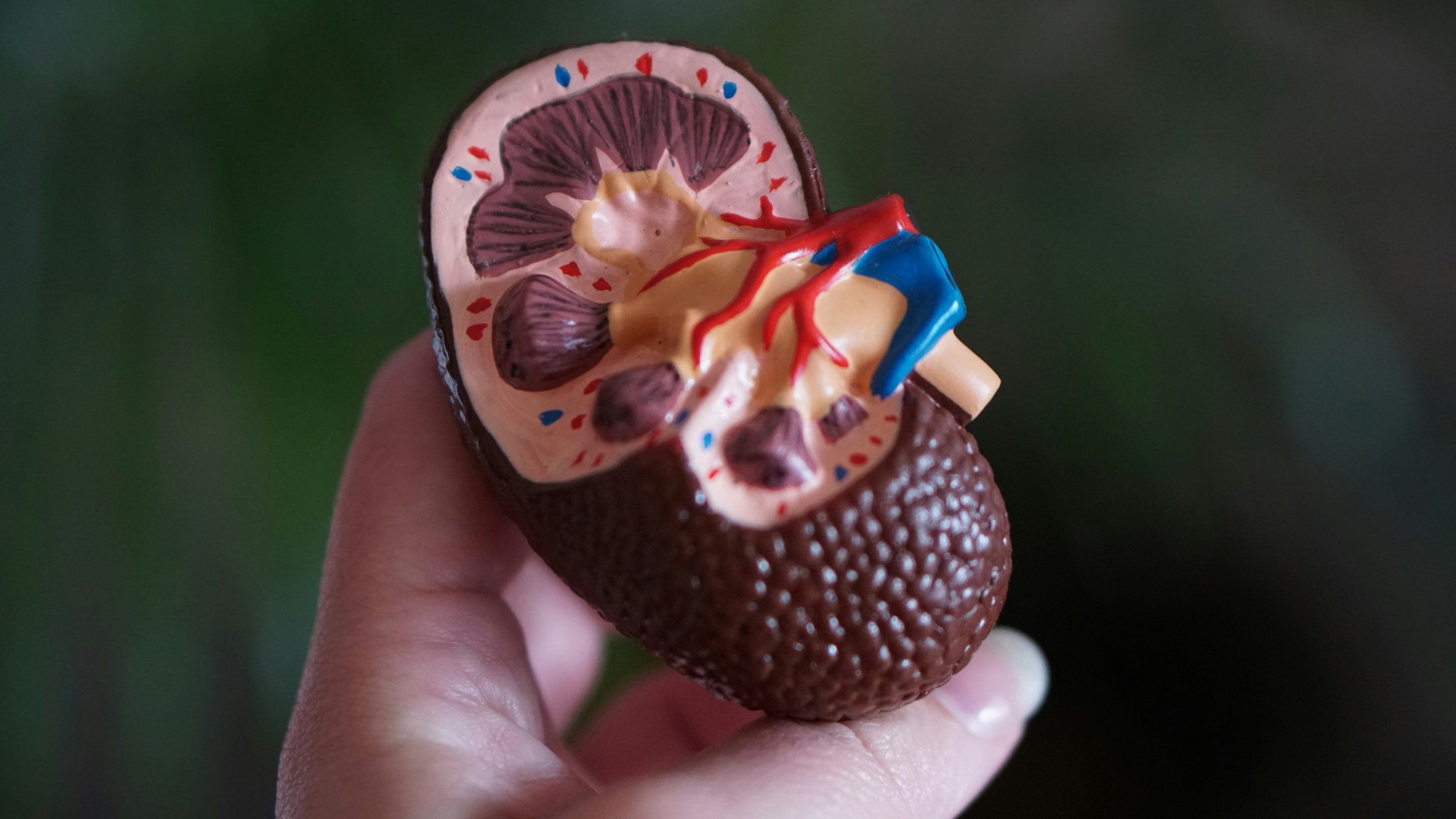
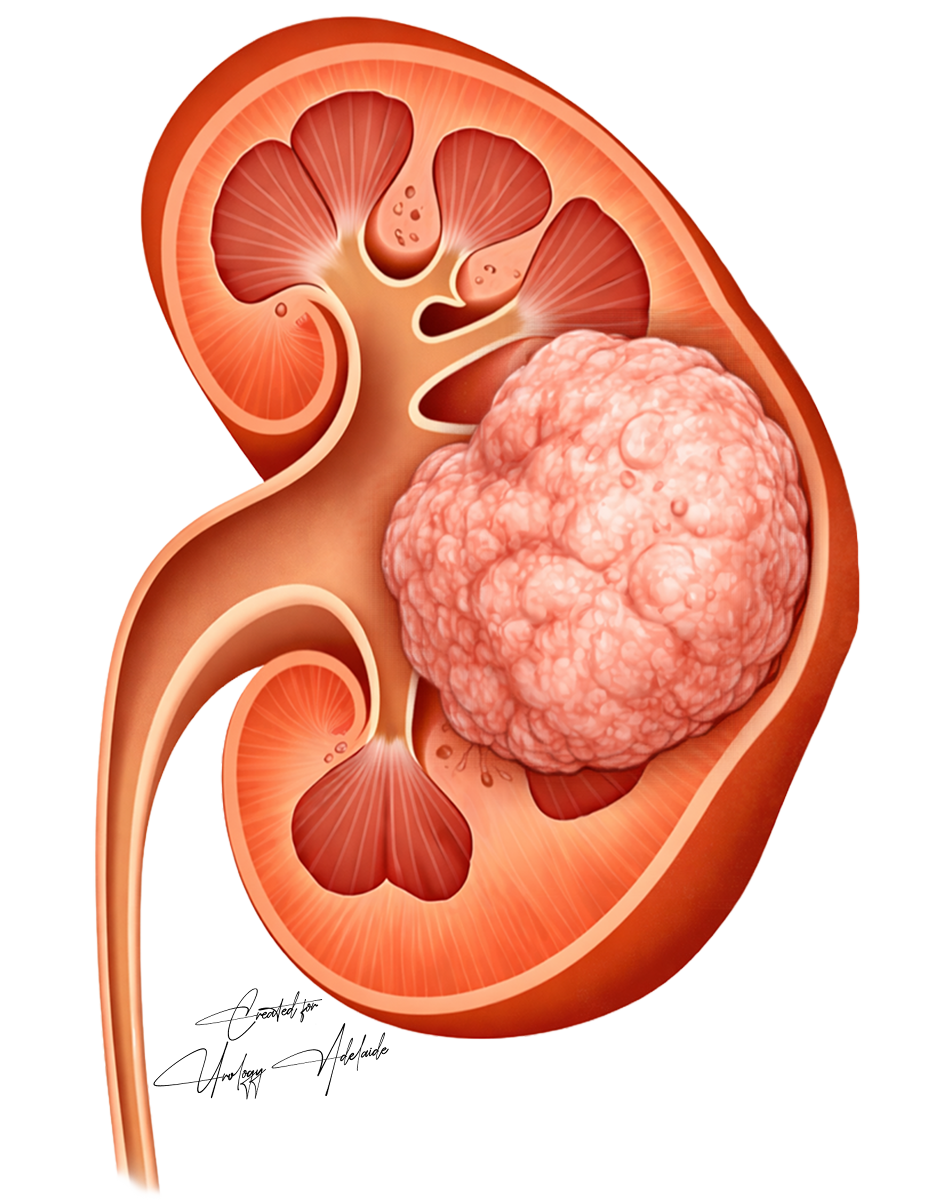
Kidney cancer can be from the kidney drainage system or the filter system
Dr. Ned Kinnear
Kidney cancer: an overview
There are different types of kidney cancers
Cancers from the upper tract of the urinary system may arise either from:
From the ‘meat’ (parenchyma) of the kidney (kidney cancer or renal cell carcinoma), or
From the drainage system of the kidney (upper tract urothelial carcinoma).
Dr. Kinnear treats all types of kidney cancers
The treatments for kidney cancer or renal cell carcinoma (RCC), and upper tract urothelial carcinoma (UTUC) can vary.
Kidney cancer
Known as kidney cancer or renal cell carcinoma (RCC)
Renal mass biopsy sometimes used for diagnosis
Facilitated by Dr Kinnear, and performed by an interventional radiologist
Robotic assisted partial nephrectomy: remove the tumour plus a buffer of normal kidney
Robotic assisted radical nephrectomy: remove the entire kidney
Laparoscopic radical nephrectomy: remove the entire kidney
Upper tract urothelial carcinoma
Flexible pyeloscopy + biopsy +/- laser ablation: to diagnose +/- control (but not cure) the tumour
Robotic assisted nephro-ureterectomy: remove the entire kidney + its drain pipe (ureter)
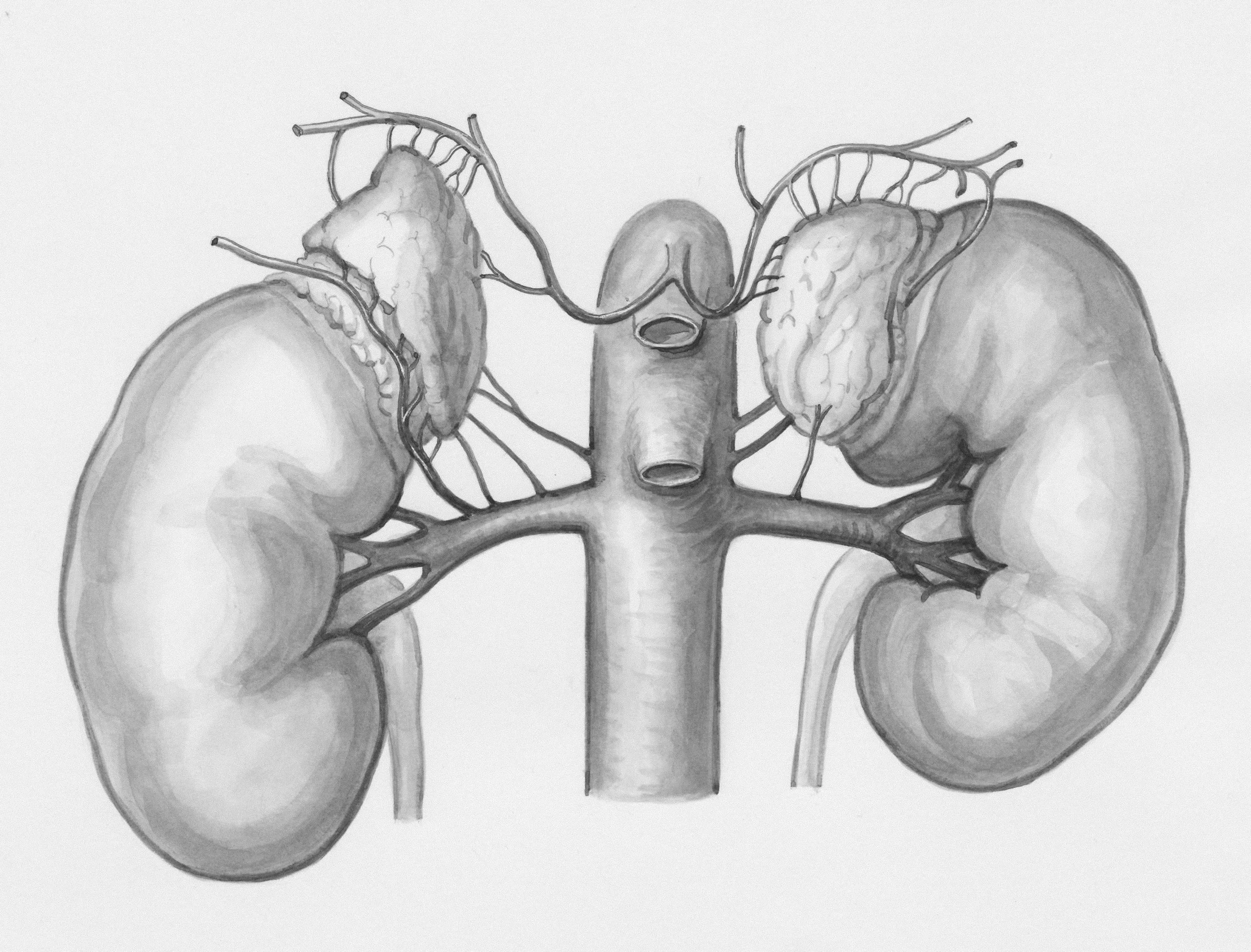
Kidney cancer
There are many ways to diagnose and treat kidney cancers. It is important to find the right treatment of you based on the location and aggressiveness of your kidney cancer.
Solid kidney masses (renal tumours) are common.
Most are kidney cancer. ~5,000 Australians are diagnosed with kidney cancer each year.
Most kidney cancers are contained (localised) to the kidney at diagnosis.
Most kidney cancers cause no symptoms and are detected on scans performed for another reason.
If symptoms occur, they may include blood in the urine (haematuria), abdominal pain or abdominal mass (rare).
Surgery is the most common treatment, has the strongest evidence and the best long-term cure rates. 95% of patients with localised kidney cancer will be cured by surgery.
Treatment options for kidney cancer

-
Surveillance +/- biopsy
Not all renal masses need intervention
-
Your urologist will tailor the approach to your individual circumstances.
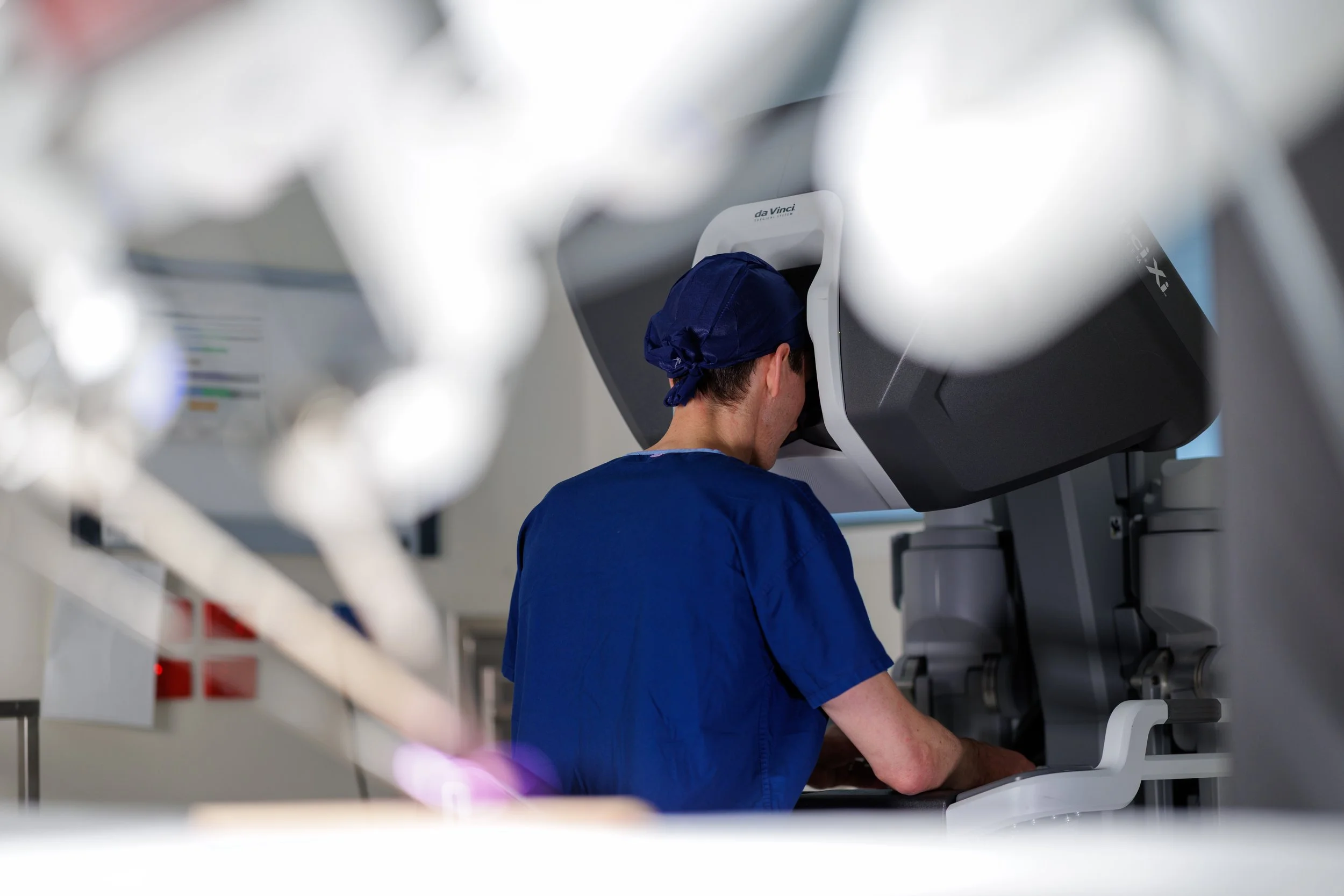
Techniques to access the kidney includeRobotic-assisted (keyhole with robotic instruments operated by the surgeon),
Laparoscopic (keyhole with hand-held instruments)
Open operation: tumour removed via a 10-20cm incision in the abdomen
Extensiveness of operation:
Partial nephrectomy: the tumour is removed along with a buffer of normal kidney.
Radical nephrectomy: the tumour is removed, along with the whole kidney.
-
Ablation (destruction) of the tumour and some surrounding kidney.
Options include microwave ablation, radiofrequency ablation or cryo-ablation.
Some kidney cancers that are not suitable for surgery may also be treated with radiotherapy.
Upper tract urothelial cancer
This is also known as UTUC
Key points
The tumour grows in the drainage (collecting) system of the kidney, or in the ureter
Compared to kidney cancer, they are less common but often more aggressive
Symptoms include blood in the urine (haematuria) and abdominal pain.
Treatment options
Surveillance (careful follow up)
Surgery
Ureteroscopy and laser ablation: regular procedures where a narrow telescope is advanced to the kidney (pyeloscopy) and the bulk (not all) of the tumour is destroyed with a medical laser
Radical nephro-ureterectomy (NephroU): the whole kidney and ureter are removed, with the tumour inside